Hero

Upstream Symposium 2026: Frontline Solutions to Homelessness

Upstream Symposium 2026: Frontline Solutions to Homelessness

This year’s event asks what it will take to move from a reactive right-to-shelter system to proactive right-to-housing system. With billions spent on emergency shelter and housing pathways still too fragmented, Upstream 2026 will examine how prevention, shelter, supportive services, and permanent housing can work as one coordinated strategy to help people get housed — and stay housed long-term.

Attend the Event

Wednesday, October 21, 2026

Wednesday, October 21, 2026

8:30 am - 3:30 pm

8:30 am - 3:30 pm

Museum of Jewish Heritage

36 Battery Place

2nd Floor Events Hall

New York, NY 10208
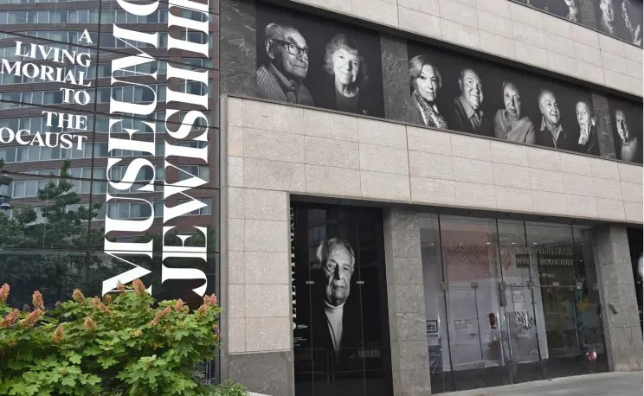
Museum of Jewish Heritage

36 Battery Place

2nd Floor Events Hall

New York, NY 10208

Dress Attire: 

Parking Information:

Sponsorship & Ticket Information:

Promo Image

image linking to registration

Agenda

9 AM EDT

10 MINS
9 AM EDT 10 MINS

Introductory Remarks

9:10 AM EDT

5 MINS
9:10 AM EDT 5 MINS

Welcome Remarks

9:15 AM EDT

30 MINS
9:15 AM EDT 30 MINS

Opening Plenary- Housing as the Goal: Moving Beyond a Shelter

10 AM EDT

1 HR
10 AM EDT 1 HR

Policy: From Shelter Obligation to Housing Strategy

New York spends billions responding to homelessness, but the path from shelter to permanent housing remains too slow, fragmented, and difficult to navigate. This panel will examine the policy, funding, regulatory, and administrative changes needed to make housing the organizing goal of the system—not a separate endpoint people struggle to reach after a crisis. Panelists should address how prevention, rental assistance, supportive housing, affordable housing, public benefits, housing navigation, and tenancy supports can be aligned into a clearer housing strategy.

New York spends billions responding to homelessness, but the path from shelter to permanent housing remains too slow, fragmented, and difficult to navigate. This panel will examine the policy, funding, regulatory, and administrative changes needed to make housing the organizing goal of the system—not a separate endpoint people struggle to reach after a crisis. Panelists should address how prevention, rental assistance, supportive housing, affordable housing, public benefits, housing navigation, and tenancy supports can be aligned into a clearer housing strategy.

New York spends billions responding to homelessness, but the path from shelter to permanent housing remains too slow, fragmented, and difficult to navigate. This panel will examine the policy, funding, regulatory, and administrative changes needed to make housing the organizing goal of the system—not a separate endpoint people struggle to reach after a crisis. Panelists should address how prevention, rental assistance, supportive housing, affordable housing, public benefits, housing navigation, and tenancy supports can be aligned into a clearer housing strategy.

New York spends billions responding to homelessness, but the path from shelter to permanent housing remains too slow, fragmented, and difficult to navigate. This panel will examine the policy, funding, regulatory, and administrative changes needed to make housing the organizing goal of the system—not a separate endpoint people struggle to reach after a crisis. Panelists should address how prevention, rental assistance, supportive housing, affordable housing, public benefits, housing navigation, and tenancy supports can be aligned into a clearer housing strategy.

11 AM EDT

15 MINS
11 AM EDT 15 MINS

Morning Break

11:20 AM EDT

1 HR
11:20 AM EDT 1 HR

Practice: The Missing Path from Crisis to Home

On the ground, the gaps are visible: people enter shelter when prevention fails, wait too long for housing pathways to open, and often need support after placement to remain stably housed. This panel will focus on the operating models that can connect the pieces — shelter, prevention, housing navigation, supportive services, affordable housing operations, and tenancy support — so people are not left to move through disconnected systems on their own.
The panel should also examine the false divide between affordable housing and supportive housing: residents may enter through different doors, but many face the same instability drivers and need access to the right supports before arrears, eviction, or crisis reoccur. 

On the ground, the gaps are visible: people enter shelter when prevention fails, wait too long for housing pathways to open, and often need support after placement to remain stably housed. This panel will focus on the operating models that can connect the pieces — shelter, prevention, housing navigation, supportive services, affordable housing operations, and tenancy support — so people are not left to move through disconnected systems on their own.
The panel should also examine the false divide between affordable housing and supportive housing: residents may enter through different doors, but many face the same instability drivers and need access to the right supports before arrears, eviction, or crisis reoccur. 

On the ground, the gaps are visible: people enter shelter when prevention fails, wait too long for housing pathways to open, and often need support after placement to remain stably housed. This panel will focus on the operating models that can connect the pieces — shelter, prevention, housing navigation, supportive services, affordable housing operations, and tenancy support — so people are not left to move through disconnected systems on their own.
The panel should also examine the false divide between affordable housing and supportive housing: residents may enter through different doors, but many face the same instability drivers and need access to the right supports before arrears, eviction, or crisis reoccur. 

On the ground, the gaps are visible: people enter shelter when prevention fails, wait too long for housing pathways to open, and often need support after placement to remain stably housed. This panel will focus on the operating models that can connect the pieces — shelter, prevention, housing navigation, supportive services, affordable housing operations, and tenancy support — so people are not left to move through disconnected systems on their own.
The panel should also examine the false divide between affordable housing and supportive housing: residents may enter through different doors, but many face the same instability drivers and need access to the right supports before arrears, eviction, or crisis reoccur. 

12:30 PM EDT

1 HR
12:30 PM EDT 1 HR

Lunch Keynote: The Cost of a System Without a Path Home

1:45 PM EDT

1.25 HRS
1:45 PM EDT 1.25 HRS

Afternoon Breakouts

BREAKOUT A FORECAST: Models That Move People Home — and Keep Them There

BREAKOUT B FINDINGS: What Prevention Data Teaches Us About Keeping People Housed

BREAKOUT A FORECAST: Models That Move People Home — and Keep Them There

BREAKOUT B FINDINGS: What Prevention Data Teaches Us About Keeping People Housed

BREAKOUT A FORECAST: Models That Move People Home — and Keep Them There

BREAKOUT B FINDINGS: What Prevention Data Teaches Us About Keeping People Housed

BREAKOUT A FORECAST: Models That Move People Home — and Keep Them There

BREAKOUT B FINDINGS: What Prevention Data Teaches Us About Keeping People Housed

3 PM EDT

15 MINS
3 PM EDT 15 MINS

Closing Remarks

3:15 PM EDT

3:15 PM EDT

Event Concludes

Underwriters

Presented By